
A Dangerous Condition
The investigation begins with what allegedly made the property unsafe: liquid, ice, broken pavement, defective stairs, inadequate lighting, debris, an elevation change, damaged flooring, or another hazardous condition.
Falls caused by unsafe property conditions can result in fractures, head injuries, spinal injuries, surgery, lost income, and long-term limitations. Marks Law Group represents people seriously injured in slip, trip, and fall accidents throughout Nassau County.
Free consultation · No attorney fee unless compensation is recovered.
Case-related expenses may apply depending on the fee agreement.
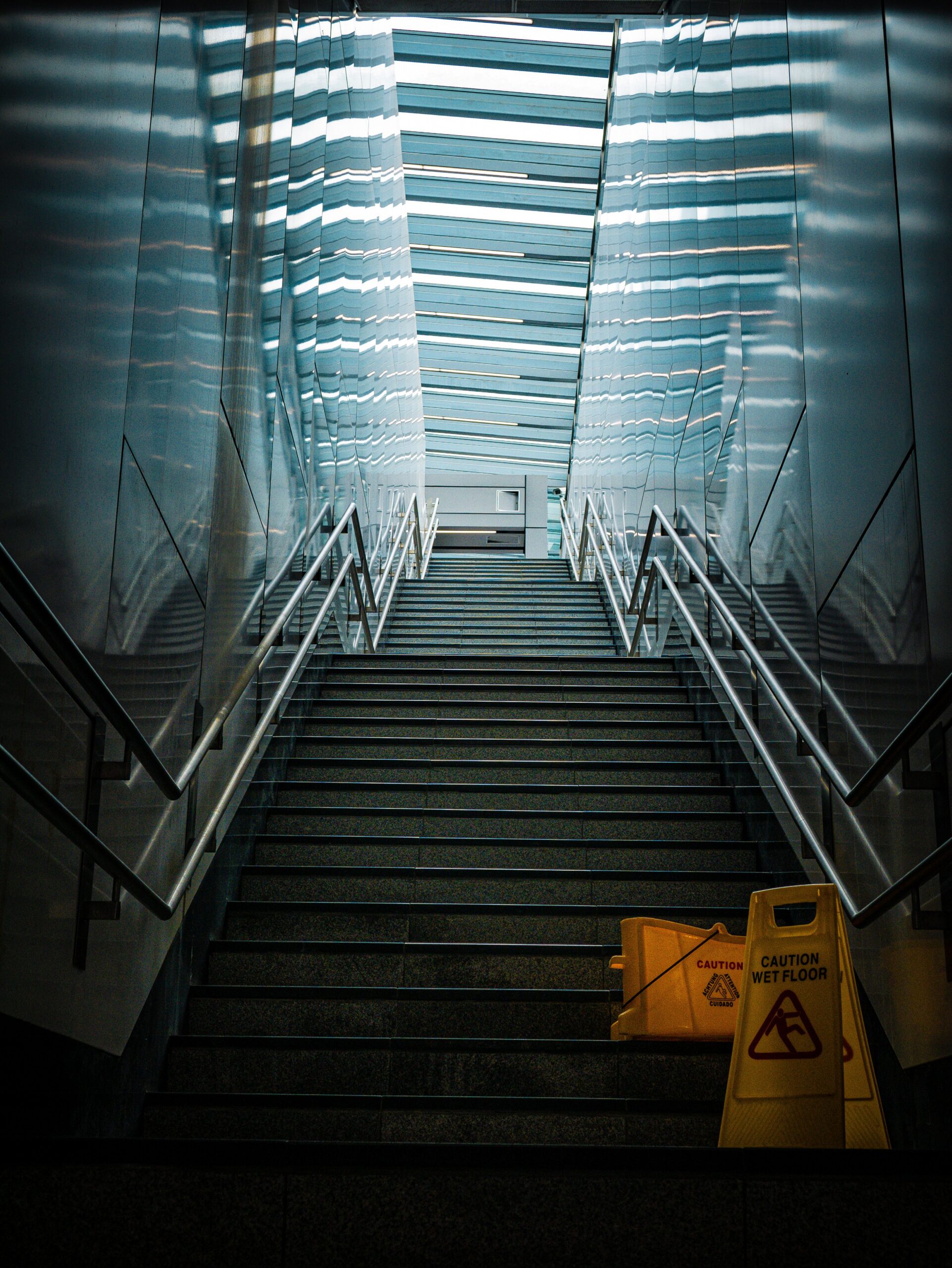
A fall can happen in seconds, but the consequences can last for months or years. A fractured hip, torn ligament, spinal injury, traumatic brain injury, or other serious condition may require surgery, rehabilitation, time away from work, and significant changes to everyday life.
Marks Law Group represents people injured because of allegedly dangerous property conditions throughout Nassau County from our office in Great Neck. Led by Harris L. Marks, Esq., the firm investigates property ownership and control, how the hazardous condition arose, what notice may have existed, maintenance and inspection practices, surveillance evidence, witness information, and the full extent of the resulting injuries.
Slip and fall cases can arise in stores, apartment buildings, restaurants, parking areas, offices, sidewalks, stairways, shopping centers, hotels, construction areas, and other public or private properties.
A property owner or other party is not automatically responsible simply because someone fell. The evidence must support a legal basis for holding the defendant responsible for the dangerous condition and resulting injuries.
Premises liability often turns on the condition itself, who controlled the area, how the hazard developed, what the defendant knew or reasonably should have known, and whether the condition caused the injury.
The investigation begins with what allegedly made the property unsafe: liquid, ice, broken pavement, defective stairs, inadequate lighting, debris, an elevation change, damaged flooring, or another hazardous condition.
Determining who owned, occupied, maintained, managed, or controlled the location can be critical. Leases, management agreements, maintenance contracts, and other documents may help establish which parties require investigation.
A premises-liability investigation may examine whether a defendant created the condition, actually knew about it, or whether evidence supports that the condition existed long enough that it should have been discovered and addressed.
Spills can be cleaned, snow and ice can melt, broken areas can be repaired, surveillance video can be overwritten, and employees or witnesses may become difficult to identify. Early investigation can therefore be particularly important in premises-liability cases.
Falls can result from many different property conditions. The cause of the fall determines the evidence and potentially responsible parties that must be investigated.
Water, spilled products, cleaning materials, tracked-in moisture, leaks, grease, and other substances can create dangerous walking surfaces.
Ice, refreezing water, untreated walkways, parking areas, entrances, and snow-removal practices can become important issues in winter premises-liability claims.
Cracked pavement, holes, uneven slabs, height differentials, deteriorated surfaces, and other defects can cause serious trip-and-fall injuries.
Broken steps, defective handrails, irregular dimensions, slippery surfaces, poor maintenance, and inadequate lighting can contribute to stairway falls.
Insufficient lighting can make stairs, elevation changes, obstacles, debris, and dangerous surface conditions difficult to see.
Merchandise, boxes, cords, construction materials, misplaced objects, and other obstructions can create trip hazards in walking areas.
Responsibility can differ depending on the type of property, ownership arrangement, maintenance responsibilities, and circumstances surrounding the accident.
Grocery stores, retail stores, malls, pharmacies, and other businesses can involve spills, merchandise, floor conditions, entrances, parking areas, and maintenance practices.
Falls can involve common hallways, stairs, entrances, sidewalks, elevators, parking areas, and other portions of residential properties.
Food and beverage spills, wet entrances, stairs, flooring conditions, maintenance issues, and lighting can require investigation.
Potholes, broken pavement, ice, drainage problems, wheel stops, lighting, and pedestrian pathways can become relevant to parking-area injury claims.
Lobbies, corridors, stairways, entrances, exterior walkways, and shared common areas can involve several owners, tenants, managers, or maintenance companies.
Sidewalks, public buildings, municipal property, transit-related property, and other publicly controlled locations can involve additional notice and filing requirements.
Premises-liability cases can turn on evidence showing what the condition looked like, how long it existed, who was responsible for the area, whether inspections occurred, and what happened immediately before and after the fall.
Some of the strongest evidence may exist only briefly. Surveillance systems can overwrite footage, conditions can be repaired, and snow, ice, or liquid conditions can change.
Property defendants may argue that an injured person should have seen the condition, was distracted, chose an unsafe route, ignored a warning, or otherwise contributed to the accident.
For ordinary premises-liability actions, current New York CPLR §1411 generally provides that a claimant’s culpable conduct does not bar recovery. Instead, recoverable damages are diminished in proportion to the claimant’s share of culpable conduct.
Whether an injured person’s conduct contributed to a fall depends on the visibility of the condition, lighting, warnings, surrounding circumstances, reason for being in the area, and other evidence.
Fault should be evaluated based on the specific accident rather than assumed from the fact that a person fell.
A fall can create substantial forces on the head, spine, hips, shoulders, knees, wrists, and other parts of the body.
Wrist, arm, ankle, leg, hip, and other fractures may require reduction, surgery, hardware placement, hospitalization, and lengthy rehabilitation.
Striking the head during a fall can result in concussion, intracranial injuries, cognitive symptoms, headaches, and other neurological consequences.
Falls can cause disc injuries, fractures, nerve involvement, spinal conditions, and other injuries affecting mobility and function.
Twisting or abrupt impact during a fall can damage ligaments, cartilage, tendons, bones, and other structures.
Attempting to break a fall can cause shoulder tears, dislocations, fractures, wrist injuries, and other trauma.
Severe falls can cause permanent neurological, spinal, orthopedic, or other injuries requiring lifelong treatment or assistance.
Catastrophic Injury Lawyer →Potential compensation depends on the injuries, liability evidence, responsible parties, available insurance coverage, financial losses, future needs, and applicable law.
Emergency treatment, hospitalization, surgery, physicians, specialists, diagnostic testing, therapy, and other accident-related medical care can be relevant.
Serious injuries may prevent someone from working during treatment, surgery, rehabilitation, and recovery.
Permanent limitations can affect the work someone is able to perform and the amount they may be capable of earning in the future.
Some injuries require future procedures, ongoing therapy, medications, assistive equipment, or other long-term care.
Where recoverable, damages may account for physical pain and other non-economic consequences of the injury.
Significant injuries can interfere with independence, mobility, family responsibilities, recreation, and everyday activities.
A serious slip and fall case requires more than documenting the injury. The case must also establish what condition caused the fall, who was responsible for the location, and what evidence supports liability.
Depending on the circumstances, the investigation can involve photographs, surveillance video, incident reports, inspection records, cleaning logs, maintenance contracts, leases, weather records, witnesses, medical evidence, depositions, and expert analysis.
Harris Marks has recovered more than $40 million for injured clients over his career.
*Prior results do not guarantee a similar outcome.
Preserve photographs, surveillance, measurements, witness information, reports, and other evidence showing the condition that allegedly caused the fall.
Investigate ownership, tenancy, management, maintenance responsibilities, contracts, and other relationships involving the accident location.
Examine how the condition arose, whether it had been reported previously, inspection practices, repair history, and other evidence relevant to notice.
Document medical treatment, future care, lost income, reduced earning capacity, functional limitations, and the broader consequences of the injury.
The correct deadline depends on who is responsible for the property and the type of claim involved. Different requirements can apply when a municipality or other public entity is involved.
Many New York personal injury actions are subject to the three-year limitations period contained in New York CPLR §214 .
That period should not be assumed to apply to every defendant or every premises-liability claim.
When a tort Notice of Claim is legally required against a public corporation, General Municipal Law §50-e generally requires service within 90 days after the claim arises in covered circumstances.
A statute of limitations may provide years to commence some lawsuits, but surveillance footage, snow and ice, spills, maintenance records, witnesses, and physical conditions can change or disappear far sooner.
Public entities and other defendants can be subject to different notice and filing requirements. The responsible parties should be identified as early as possible.
Marks Law Group represents people injured on unsafe property throughout Nassau County from our physical office in Great Neck.
This page addresses Nassau County slip, trip, and fall claims. Marks Law Group also handles other serious personal injury matters throughout Nassau County and Long Island.

Harris L. Marks, Esq. represents people seriously injured because of allegedly unsafe property conditions throughout Nassau County, Long Island, and New York.
From Marks Law Group’s office in Great Neck, Nassau County, Harris handles premises-liability matters involving substantial injuries, contested responsibility, disputed notice, multiple potentially responsible parties, and significant financial losses.
These cases often depend heavily on evidence that exists at the property itself. The firm’s approach emphasizes early investigation, evidence preservation, detailed damages analysis, and preparation for litigation.
Every slip and fall claim depends on its own property condition, evidence, injuries, responsible parties, insurance coverage, and applicable law.
Prior results do not guarantee future outcomes.
Depending on how an injury occurred and its consequences, another Marks Law Group practice area may also be relevant.
Marks Law Group represents people seriously injured through negligence throughout Nassau County.
Nassau County Personal Injury Lawyer →Severe brain, spinal, orthopedic, and other permanent injuries may require detailed analysis of lifetime medical and financial needs.
Catastrophic Injury Lawyer →When an unsafe property condition results in a fatal injury, the estate and family may need to evaluate New York wrongful death and survival claims.
Long Island Wrongful Death Attorney →Marks Law Group’s physical office is located in Great Neck, Nassau County. From this office, the firm represents slip and fall and serious personal injury clients throughout Nassau County.
Our Great Neck location provides a local Nassau County base for representing people seriously injured because of unsafe property conditions throughout the county.
Marks Law Group, P.C. 111 Great Neck Road, Suite 201-M Great Neck, NY 11021 (516) 687-9763Answers to common questions after a serious fall on someone else’s property.
Responsibility depends on the specific property condition, who owned or controlled the area, how the condition arose, whether the defendant created it or had actual or constructive notice of it, and whether the condition caused the injury.
A property owner is not automatically liable simply because a fall happened on the property.
Snow and ice cases can depend on when precipitation occurred, the condition at the time of the fall, snow-removal or treatment efforts, drainage, refreezing, weather records, property responsibilities, and other facts.
Photographs, weather information, maintenance records, and witness evidence can be especially important.
Under current CPLR §1411 , a claimant’s culpable conduct generally does not bar recovery in an ordinary premises-liability action. Instead, damages otherwise recoverable can be reduced according to the claimant’s share of fault.
Many New York negligence actions are subject to the three-year limitations period in CPLR §214 , but that is not a universal deadline for every defendant or circumstance.
Public entities can involve substantially different requirements, so the responsible parties should be identified promptly.
Claims involving municipalities and public corporations can involve additional notice and filing requirements.
When a Notice of Claim is legally required, New York General Municipal Law §50-e generally requires service within 90 days after the claim arises in covered circumstances.
Useful evidence can include photographs and video of the condition, surveillance footage, witness information, incident reports, inspection and cleaning records, maintenance records, repair history, weather evidence, medical records, and proof of financial losses.
There is no standard value. Potential compensation depends on factors including the severity and permanence of the injuries, medical treatment, future care, lost income, earning capacity, liability evidence, available insurance, comparative fault, and the effect of the injuries on daily life.
Marks Law Group’s physical office is located in Great Neck. The firm represents premises-liability and serious injury clients throughout Nassau County, including Great Neck, Manhasset, Port Washington, New Hyde Park, Mineola, Garden City, Hempstead, Hicksville, Levittown, Freeport, Long Beach, Valley Stream, and surrounding communities.
If you suffered a serious injury because of an unsafe property condition, Marks Law Group can review what happened, investigate who may be responsible, and discuss your options for pursuing compensation.
Prior results do not guarantee a similar outcome. Nothing on this page creates an attorney-client relationship or constitutes legal advice.