
Who Brings the Wrongful Death Claim?
Under New York EPTL §5-4.1 , the wrongful death action is maintained by the decedent’s duly appointed personal representative for the benefit of qualifying distributees.
When negligence causes a preventable death, families face difficult legal and financial questions at an already devastating time. Marks Law Group represents families in wrongful death matters throughout Long Island from our Great Neck office.
Free consultation · No attorney fee unless compensation is recovered.
Case-related expenses may apply depending on the fee agreement.
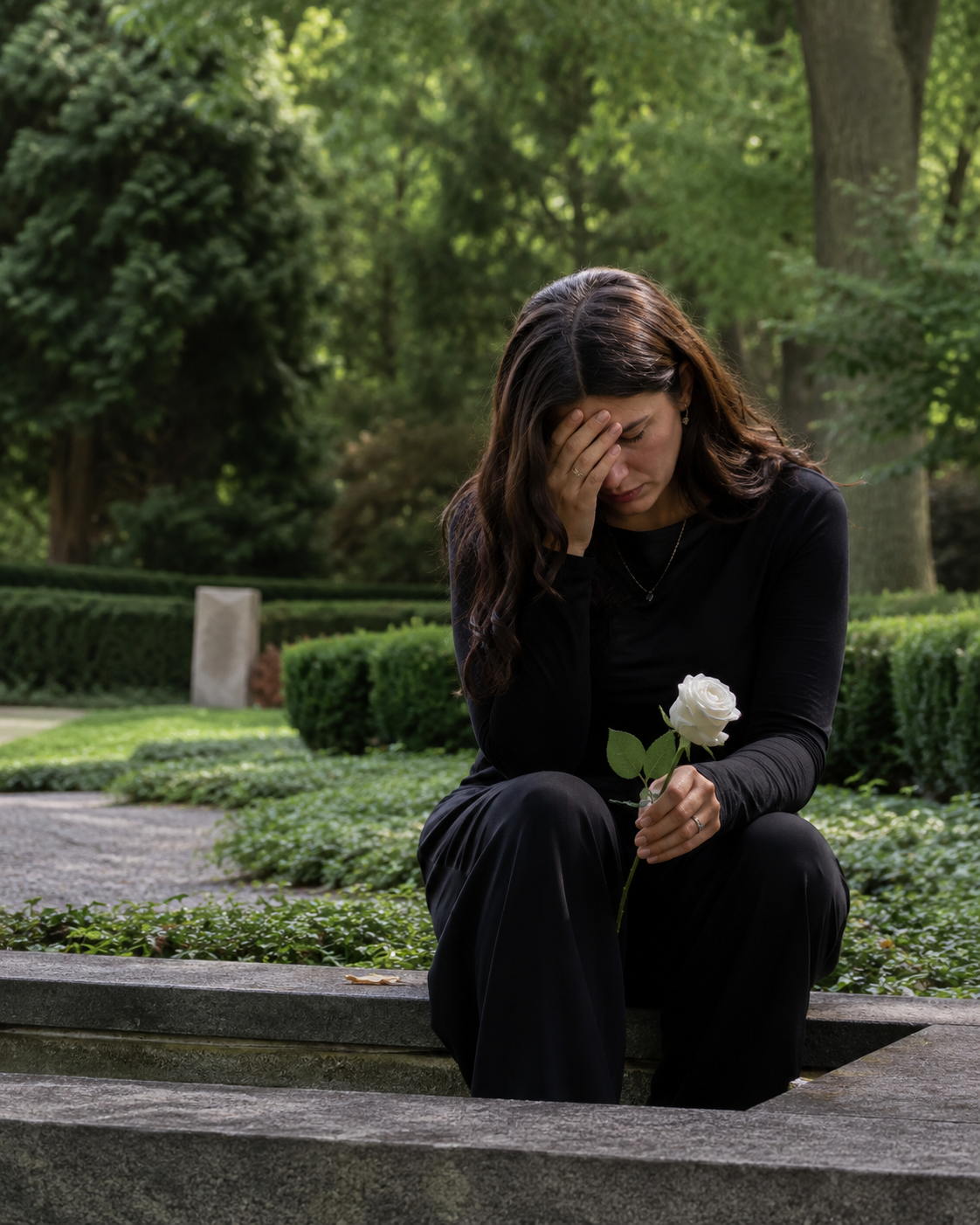
No legal claim can undo the loss of a family member. A wrongful death case instead addresses the legal and financial consequences when a person’s death was caused by another party’s wrongful act, negligence, or default.
Marks Law Group represents families in wrongful death matters throughout Long Island from our office in Great Neck. Led by Harris L. Marks, Esq., the firm investigates the circumstances surrounding the death, identifies potentially responsible parties, preserves evidence, evaluates available insurance coverage, and develops the financial damages supported by New York law.
These cases can arise from motor vehicle collisions, construction accidents, dangerous property conditions, medical negligence, pedestrian accidents, commercial vehicle crashes, and other incidents involving preventable negligence.
Wrongful death cases also involve estate-related procedural rules that differ from an ordinary personal injury claim, making early review especially important.
New York wrongful death actions are governed by specific rules concerning who may bring the case, when it must be commenced, and what damages may be recovered.
Under New York EPTL §5-4.1 , the wrongful death action is maintained by the decedent’s duly appointed personal representative for the benefit of qualifying distributees.
The same EPTL §5-4.1 generally requires a New York wrongful death action to be commenced within two years after the decedent’s death. Additional rules or shorter notice requirements can affect particular defendants or circumstances.
Current New York EPTL §5-4.3 provides for fair and just compensation for the pecuniary injuries resulting from the death to the persons for whose benefit the action is brought.
A wrongful death claim addresses qualifying losses resulting from the death to the beneficiaries, while a survival claim can preserve certain claims the decedent could have pursued for injuries suffered before death. New York addresses survival of those claims in EPTL §11-3.2 and the relationship between the two claims in EPTL §11-3.3 .
A wrongful death claim can arise from many forms of negligence. The underlying event determines the evidence, defendants, insurance coverage, and legal issues that must be investigated.
Fatal crashes can involve negligent drivers, commercial vehicles, impaired driving, distracted driving, excessive speed, roadway conditions, and disputes over insurance coverage.
Car Accident Representation →Falls, falling objects, unsafe equipment, structural failures, and other construction hazards can result in fatal injuries and may involve several potentially responsible parties.
Construction Accident Representation →Commercial truck crashes can involve drivers, trucking companies, vehicle owners, contractors, maintenance companies, and multiple layers of insurance coverage.
Truck Accident Representation →Pedestrians are especially vulnerable to severe or fatal injuries when struck by passenger vehicles, trucks, buses, or other motor vehicles.
Pedestrian Accident Representation →Fatal incidents can result from unsafe premises, defective stairs, falls, inadequate maintenance, dangerous property conditions, and other forms of property-owner negligence.
Premises Liability Representation →Deaths associated with delayed diagnosis, surgical errors, treatment failures, medication errors, and other alleged medical negligence can involve specialized legal and medical issues.
Medical Malpractice Representation →A wrongful death claim requires more than proof that a death occurred. The case must be evaluated to determine whether wrongful conduct caused the death and whether the defendant would have been legally responsible to the decedent if death had not occurred.
The estate and family circumstances also matter because New York law specifies who may bring the action and for whose benefit the claim is maintained.
New York’s current wrongful death statute focuses on pecuniary injuries resulting from the death. The particular losses recoverable depend on the family, financial circumstances, evidence, and applicable law.
The financial contributions the decedent could reasonably have provided may be relevant when establishing pecuniary loss.
The economic value of services and support provided by the decedent can become part of the damages analysis depending on the circumstances.
EPTL §5-4.3 expressly addresses reasonable medical aid, nursing, and attention incident to the injury causing death where the statutory requirements are met.
Reasonable funeral expenses may be recoverable in accordance with New York’s wrongful death statute and the circumstances in which those expenses were paid or incurred.
The financial consequences of losing a parent, provider, caregiver, or other family member can require careful analysis of the relationship and evidence of pecuniary loss.
Where legally available, a survival claim may address certain damages arising from the decedent’s injuries before death, distinct from damages caused by the death itself.
Families are sometimes surprised to learn that New York law can distinguish between damages resulting from the death and claims belonging to the decedent before death.
The wrongful death action addresses qualifying pecuniary injuries resulting from the death to the persons for whose benefit the action is brought. It is governed principally by Article 5, Part 4 of New York’s Estates, Powers and Trusts Law.
Review EPTL §5-4.1 →A survival action preserves certain claims that belonged to the decedent because of injuries suffered before death. Those damages are legally distinct from damages resulting from the death itself.
Review EPTL §11-3.2 →Wrongful death cases can involve complex liability questions, multiple defendants, significant financial evidence, expert analysis, and estate-related procedural requirements.
We approach serious cases by developing both sides of the claim: evidence establishing why the death occurred and evidence documenting the financial consequences caused by the loss.
Harris Marks has recovered more than $40 million for injured clients over his career.
*Prior results do not guarantee a similar outcome.
Preserve reports, photographs, video, witness information, records, physical evidence, and other material that may establish how and why the fatal incident occurred.
Determine whether one or several people, businesses, property owners, contractors, medical providers, vehicle owners, or other entities may bear legal responsibility.
Evaluate financial records, employment history, household contributions, expenses, family circumstances, and other evidence relevant to legally recoverable losses.
Develop the case for discovery, depositions, expert analysis, motion practice, settlement negotiations, and trial when necessary.
Marks Law Group’s physical office is located in Great Neck, Nassau County, but the firm’s Long Island representation is not limited to Great Neck or western Nassau County.

Harris L. Marks, Esq. represents families in serious personal injury and wrongful death matters throughout Long Island and New York.
From Marks Law Group’s office in Great Neck, Nassau County, Harris handles matters involving complex liability, substantial financial losses, multiple responsible parties, and cases requiring extensive investigation and litigation.
Families deserve clear communication about what the legal process can and cannot accomplish. The firm’s approach emphasizes careful case preparation while treating the circumstances surrounding a death with the seriousness they require.
Every wrongful death case depends on its own evidence, family circumstances, responsible parties, available insurance coverage, economic losses, and applicable law.
Prior results do not guarantee future outcomes.
Marks Law Group’s physical office is located in Great Neck on Long Island. From this office, the firm represents wrongful death and serious personal injury clients throughout Nassau County, Suffolk County, and other areas served by the firm.
Our Great Neck location provides a Long Island base for serving families throughout Nassau and Suffolk Counties. The firm’s representation is not limited to the community where the office is physically located.
Marks Law Group, P.C. 111 Great Neck Road, Suite 201-M Great Neck, NY 11021 (516) 687-9763Answers to common questions families may have about New York wrongful death claims.
Under EPTL §5-4.1 , a New York wrongful death action is brought by the decedent’s duly appointed personal representative for the benefit of qualifying distributees.
This is different from simply allowing any family member to file the lawsuit individually.
New York EPTL §5-4.1 generally requires a wrongful death action to be commenced within two years after the decedent’s death.
Special rules can affect particular cases, and claims involving certain public entities or other defendants may involve additional notice requirements. Families should therefore avoid assuming that they have two full years to begin investigating a claim.
Current EPTL §5-4.3 provides for fair and just compensation for pecuniary injuries resulting from the death to the persons for whose benefit the action is brought.
The statute also expressly addresses qualifying medical, nursing, and funeral expenses. The recoverable damages in a particular case depend on the evidence and family circumstances.
Under the current wording of New York EPTL §5-4.3 , wrongful death recovery is based on pecuniary injuries resulting from the death rather than grief alone.
Determining what constitutes a legally compensable pecuniary injury requires a case-specific evaluation.
A wrongful death action addresses qualifying losses resulting from the death to the persons for whose benefit the action is maintained.
A survival claim can preserve certain causes of action belonging to the decedent for injuries suffered before death. New York addresses survival of personal injury claims in EPTL §11-3.2 and the relationship between injury and wrongful death claims in EPTL §11-3.3 .
No. Some wrongful death matters resolve through settlement, while others require litigation and potentially trial.
The path depends on issues including liability, damages, defendants, available insurance coverage, expert evidence, and whether the parties can reach a fair resolution.
Relevant evidence depends on how the death occurred but can include accident reports, photographs, video, witness statements, vehicle records, medical records, employment and tax records, business records, construction records, property records, insurance information, and expert analysis.
Evidence can disappear or become more difficult to obtain over time, which is one reason early investigation can matter.
Marks Law Group’s physical office is located in Great Neck, Nassau County. The firm represents wrongful death and serious personal injury clients throughout Long Island, including communities across Nassau and Suffolk Counties.
The office location does not limit where the firm provides representation.
Marks Law Group can review the circumstances surrounding the death, explain how New York’s wrongful death laws may apply, and discuss the legal options available to the estate and family.
Prior results do not guarantee a similar outcome. Nothing on this page creates an attorney-client relationship or constitutes legal advice.