
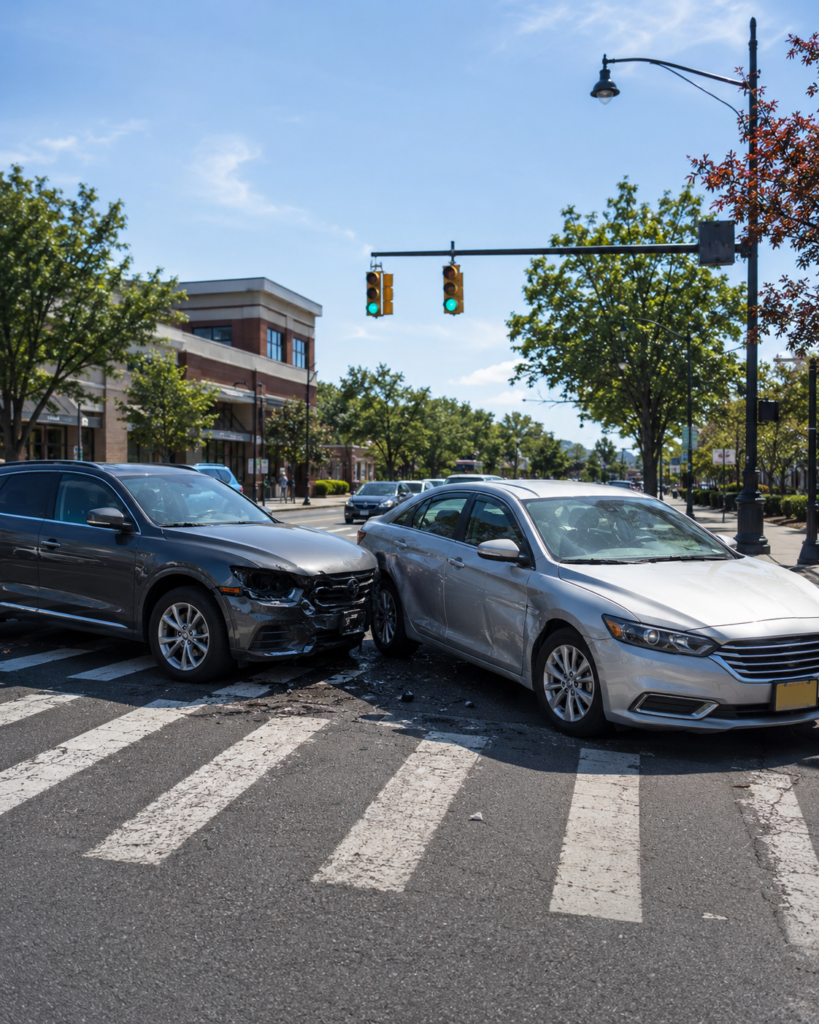
A personal injury lawyer investigates why an injury happened, identifies who may be legally responsible, preserves evidence, determines what insurance or other sources of recovery may exist, documents the client’s medical and financial losses, handles claim communications, negotiates from the evidence, and litigates when a lawsuit is necessary. In a serious case, the work can continue from the first investigation through discovery, depositions, experts, settlement strategy, and trial preparation.
Key Takeaways
-
The lawyer’s job is to build both liability and damages evidence, not merely submit paperwork to an insurer.
-
Different personal injury cases require different legal frameworks: a car crash, construction accident, dangerous-property case, medical-malpractice matter, and claim against a public entity do not follow identical rules.
-
Early case work can include evidence preservation, defendant identification, insurance analysis, medical documentation, and deadline review.
-
If a lawsuit is filed, the attorney handles pleadings, discovery, depositions, experts, motions, negotiation, and trial preparation as the evidence develops.
-
At Marks Law Group, Harris Marks remains directly involved in major stages of serious personal injury matters.
In This Guide
A Personal Injury Lawyer First Determines What Kind of Case Exists
The phrase “personal injury” covers many different legal claims. A motor-vehicle collision can involve no-fault insurance and negligence. A construction accident may involve workers’ compensation, third-party negligence, and New York Labor Law. A dangerous-property case may turn on notice of a hazardous condition. A medical-malpractice claim requires analysis of medical standards and causation. A claim involving a municipality may trigger special notice requirements.
Before a lawyer can pursue compensation, the legal framework has to be identified. That means understanding where the incident happened, who was involved, what relationship the parties had, what duty may have been owed, and what evidence could prove a breach of that duty and causation.
For a broader explanation of when this level of legal work becomes necessary, see When Do You Need a Personal Injury Lawyer?.
Identifying Every Potentially Responsible Party
A serious injury case can be weakened if the investigation stops after identifying the most obvious defendant. The lawyer may need to examine ownership, employment, contracts, corporate relationships, control of property or work, product distribution, vehicle ownership, and insurance arrangements.
In some cases, several defendants may share responsibility under different legal theories. Each can have different insurance coverage, evidence, defenses, and procedural requirements. Mapping those relationships early helps avoid building the case around an incomplete picture.
Preserving Evidence Before It Changes or Disappears
Evidence is often perishable. Surveillance can be overwritten. A defective stair, sidewalk, ladder, machine, or vehicle can be repaired or removed. Employees and witnesses can change jobs or become difficult to locate. Business records can be archived or destroyed under normal retention schedules.
A personal injury lawyer can identify potentially important evidence and take reasonable steps to preserve or request it. Depending on the case, that may include photographs, video, inspection and maintenance records, incident reports, contracts, training documents, vehicle data, medical records, witness statements, or physical evidence.
The point is not to collect documents for volume. It is to secure the proof needed to answer the legal questions in the case.
A public-project deadline may be measured in days, not years. Get the timeline reviewed now
Request a free review from Harris Marks. Get honest, case-specific answers.
Developing the Medical and Financial Damages Evidence
Liability alone does not establish the full value of a personal injury claim. The lawyer also needs to document what the injury caused.
That can include past medical treatment, future medical needs, rehabilitation, medication, lost earnings, reduced earning capacity, job restrictions, out-of-pocket expenses, functional limitations, and legally recoverable non-economic harm. Serious or permanent injuries may require opinions from treating physicians or retained medical, vocational, economic, life-care, or other experts.
The strongest damages presentation connects the evidence to the client’s actual life rather than relying on generic descriptions of pain.
Handling Insurance Companies and Claim Communications
A personal injury claim may involve several insurers: auto no-fault, liability, workers’ compensation, property liability, excess or umbrella coverage, uninsured or underinsured motorist coverage, or other policies depending on the facts.
The lawyer can identify which policies may apply, provide relevant claim information, respond to requests, evaluate coverage issues, and organize the supporting evidence. The attorney can also advise the client before recorded statements, examinations, releases, or broad authorizations are provided.
In a motor-vehicle case, the role becomes more specific. See What Does a Car Accident Lawyer Do? for the crash-focused version of this process.
What the Lawyer Does After a Lawsuit Is Filed
If the claim does not resolve or litigation is otherwise appropriate, the lawyer prepares and files pleadings, serves defendants, responds to defenses, conducts document discovery, takes and defends depositions, obtains records, retains appropriate experts, handles motions, and prepares the case for settlement conferences or trial.
Discovery can change the case. A defendant’s records may reveal facts that were unavailable before suit. Depositions can clarify how an accident happened, who controlled the relevant property or work, what warnings were given, or why a company made a particular decision. Expert analysis can strengthen or weaken competing theories.
That is why litigation strategy should evolve with the evidence rather than follow a rigid checklist.
Negotiating From the Evidence, Not From a Formula
There is no legitimate universal multiplier that determines what every personal injury case is worth. Settlement depends on the admissible and persuasive evidence concerning liability, causation, injuries, damages, insurance, venue, witnesses, legal defenses, and litigation risk.
A lawyer can assemble that evidence, evaluate the strengths and weaknesses of the case, communicate with the client about the risks of different options, and negotiate based on what can actually be proven.
The client remains the person who decides whether to accept a settlement. The lawyer’s job is to provide the legal analysis and case-specific information needed to make that decision.
What Direct Attorney Involvement Looks Like at Marks Law Group
Marks Law Group is led by Harris L. Marks, Esq., a New York personal injury trial attorney based in Great Neck. The firm states that Harris personally leads major stages of serious cases through investigation, pleadings, discovery, depositions, negotiation, expert development, and trial strategy.
The firm represents serious injury clients throughout Nassau County, Long Island, New York City, and other areas served by the firm. You can review its Nassau County personal injury representation and Long Island personal injury representation for information about the types of claims handled.
Frequently Asked Questions
Quick answers to the questions families ask most.
What is the first thing a personal injury lawyer does?
Does a personal injury lawyer talk to the insurance company for you?
What happens if a personal injury case has to go to court?
Who decides whether to accept a personal injury settlement?
Does every personal injury case need an expert witness?
Have Questions About What a Lawyer Would Actually Do in Your Case?
Marks Law Group can review the facts, evidence, defendants, insurance issues, injuries, and deadlines in a free consultation and explain what legal work may or may not be necessary.