
Traffic & Intersections
Queens contains major local streets, intersections, expressways, parkways, commercial corridors, and residential roads used by passenger vehicles, trucks, buses, cyclists, and pedestrians.
A serious accident can lead to surgery, months away from work, permanent limitations, and significant financial uncertainty. Marks Law Group represents people and families in serious personal injury matters throughout Queens and New York City.
Free consultation · No attorney fee unless compensation is recovered.
Case-related expenses may apply depending on the fee agreement.
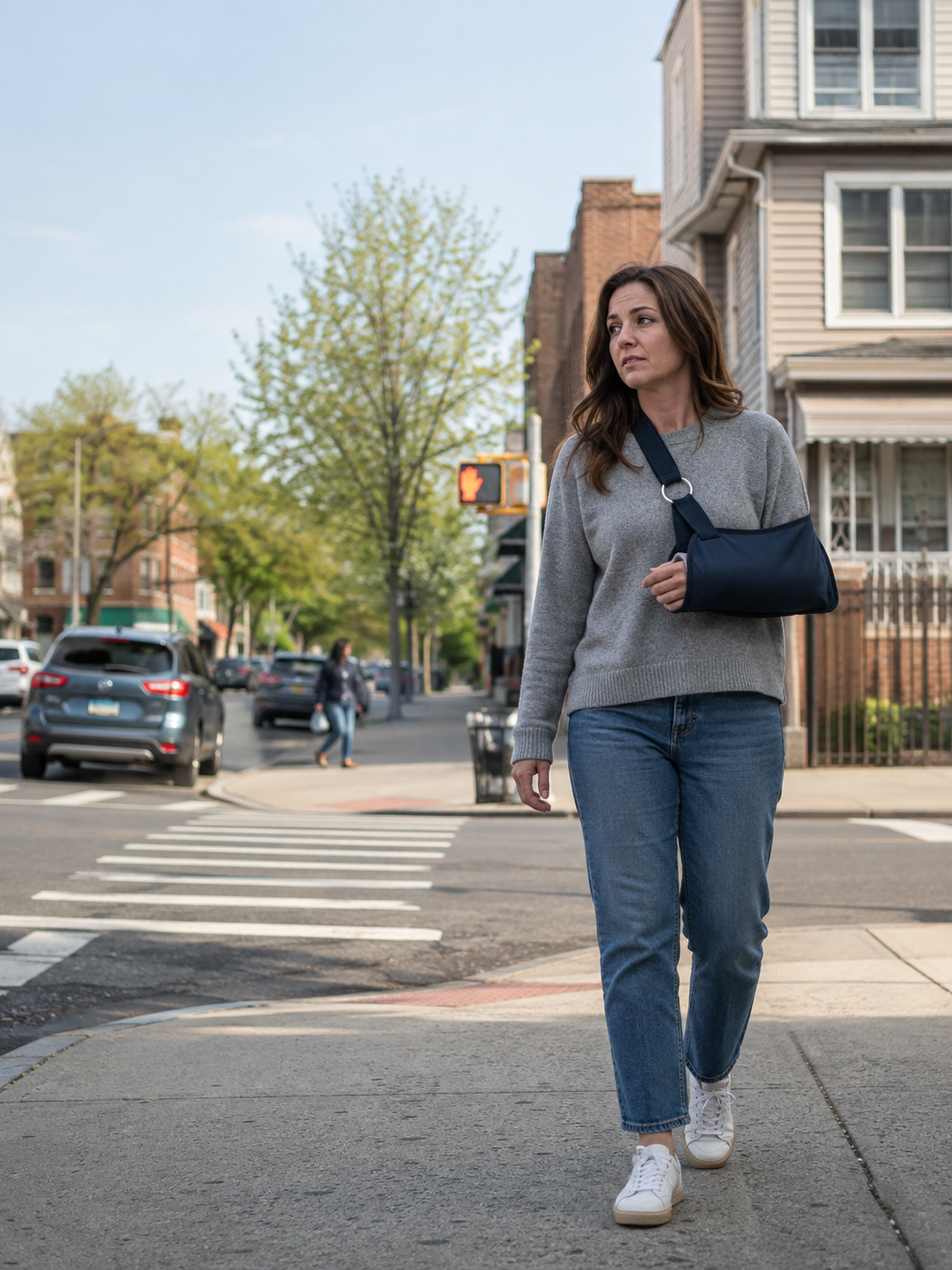
Queens combines dense residential neighborhoods, major commercial districts, heavily traveled streets and highways, construction activity, public transportation, workplaces, apartment buildings, and thousands of public and private properties.
A serious injury occurring in the borough can therefore involve very different defendants and legal issues depending on whether the accident involves a motor vehicle, construction site, business, property owner, employer, contractor, municipality, public authority, or another entity.
Marks Law Group, led by Harris L. Marks, Esq., represents people and families in serious personal injury matters throughout Queens. The firm’s physical office is located in Great Neck, New York.
Each case begins with determining how the injury occurred, identifying potentially responsible parties, preserving evidence, evaluating available insurance, and documenting the full medical and financial consequences of the injury.
The setting of an accident can determine what evidence exists, which parties require investigation, and which laws or procedural rules may apply.
Queens contains major local streets, intersections, expressways, parkways, commercial corridors, and residential roads used by passenger vehicles, trucks, buses, cyclists, and pedestrians.
Construction injuries can require investigation of owners, general contractors, subcontractors, employers, safety equipment, worksite conditions, and applicable New York Labor Law provisions.
Apartment buildings, stores, restaurants, sidewalks, parking areas, public property, office buildings, and other locations can present different ownership, maintenance, and notice issues.
Serious injuries can occur when pedestrians or cyclists interact with cars, trucks, buses, delivery vehicles, intersections, driveways, and other traffic environments.
Truck, delivery, rideshare, taxi, and other commercial vehicle crashes can involve business relationships, vehicle ownership, employment issues, and multiple insurance policies.
Some accidents involve New York City, another public corporation, or public property. These cases can involve procedural requirements that differ from ordinary private-party negligence claims.
Marks Law Group handles serious accident and negligence claims where substantial injuries, disputed responsibility, or significant damages require careful investigation.
Serious crashes involving passenger vehicles, disputed fault, no-fault benefits, insurance coverage, permanent injuries, and other motor vehicle issues.
Falls from heights, scaffold and ladder accidents, falling objects, equipment injuries, unsafe worksites, and other construction-related incidents.
Serious premises-liability matters involving unsafe floors, sidewalks, stairs, snow and ice, poor lighting, and other property conditions.
Pedestrians struck by cars, trucks, buses, delivery vehicles, or other vehicles can suffer severe orthopedic, brain, spinal, and internal injuries.
Commercial vehicle cases can involve drivers, vehicle owners, employers, contractors, business records, and multiple sources of insurance.
Serious motorcycle crashes involving negligent drivers, roadway conditions, disputed liability, and significant traumatic injuries.
Brain, spinal, orthopedic, amputation, and other permanent injuries that may require substantial future medical and financial planning.
Catastrophic Injury Lawyer →Serious claims involving alleged failures in diagnosis, treatment, surgery, monitoring, medication management, or informed consent.
When alleged negligence causes a fatal injury, the estate and qualifying family members may need to evaluate wrongful death and survival claims.
Motor vehicle injury cases can involve a legal framework different from other personal injury claims.
Depending on the vehicles and people involved, the case may require analysis of first-party benefits, basic economic loss, the statutory serious-injury threshold, liability, comparative fault, and available insurance coverage.
New York’s motor vehicle insurance laws can affect what losses are paid through first-party coverage and when non-economic damages may be pursued against another covered person.
New York Insurance Law §5102 defines basic economic loss and first-party benefits, including qualifying medical expenses and lost earnings, subject to the statute and applicable coverage.
Insurance Law §5102 also defines statutory serious injury categories, including fractures and specified permanent or significant limitations, among other categories identified in the statute.
For covered-person cases governed by Insurance Law §5104 , recovery for non-economic loss is generally subject to the statutory serious-injury threshold.
An injury alone does not automatically establish liability. The legal analysis depends on what happened, who may be responsible, how the injury occurred, and what damages resulted.
The investigation begins with the conduct, property condition, worksite issue, vehicle operation, or other event alleged to have caused the injury.
Potential defendants may include drivers, vehicle owners, businesses, property owners, contractors, employers, manufacturers, municipalities, or other entities depending on the facts.
Medical evidence, time away from work, permanent limitations, future care, lost earning ability, and other consequences can affect the value and complexity of the claim.
The effect of partial fault now depends in part on the type of New York personal injury action involved.
Under subsection (a) of CPLR §1411 , claimant culpable conduct generally does not bar recovery in personal injury actions outside the subsection (b) exception. Instead, recoverable damages are reduced according to the claimant’s share of culpable conduct.
Current CPLR §1411 contains separate treatment for personal injury actions subject to Article 51 of the Insurance Law. In those actions, claimant culpable conduct can bar recovery when it is greater than the culpable conduct of the defendant or greater than the combined culpable conduct of the defendants from whom recovery is sought.
CPLR §1411 was amended in 2026, so motor vehicle cases subject to Article 51 should be analyzed under the current statutory language rather than older generalizations.
An accident involving public property, a municipal vehicle, or another public entity may require additional investigation into the defendant’s legal status and applicable procedures.
When a tort Notice of Claim is legally required against a public corporation, General Municipal Law §50-e generally requires service within 90 days after the claim arises in covered circumstances.
Not every accident occurring on a street, sidewalk, transit-related location, school property, or other public-facing location automatically creates the same notice requirement. The legally responsible entity must first be identified.
The right evidence depends on the accident, but preserving information early can materially affect the ability to establish what happened.
Photographs, video, surveillance footage, vehicle damage, roadway evidence, property conditions, measurements, and other physical evidence can help document the accident.
Witness statements, incident reports, business records, maintenance documents, contracts, employment records, and government records may help identify responsibility.
Medical records, diagnostic imaging, treatment history, wage records, employment information, expert opinions, and future-care evidence can help establish damages.
Severe injuries may affect a person’s ability to work, live independently, care for family members, and participate in ordinary activities.
Brain trauma can affect memory, concentration, communication, mood, balance, employment, and independent functioning.
Serious spinal trauma may cause chronic pain, neurological deficits, mobility limitations, weakness, or permanent disability.
Serious fractures, joint injuries, ligament damage, and other orthopedic trauma may require surgery, hardware, and extended rehabilitation.
High-impact accidents can cause organ damage, internal bleeding, chest injuries, and other conditions requiring emergency care.
Some injuries permanently affect mobility, cognition, strength, dexterity, employment, or the ability to live independently.
When negligence causes death, the estate and family may need to evaluate potential wrongful death and survival claims under New York law.
Potential compensation depends on liability, the type and severity of injury, applicable insurance, financial losses, future needs, and the law governing the particular claim.
Emergency care, hospitalization, surgery, specialists, diagnostic testing, therapy, medication, and other qualifying treatment.
Serious injuries can prevent someone from working during hospitalization, treatment, surgery, rehabilitation, and recovery.
Permanent physical or cognitive limitations may affect future employment opportunities and long-term earning ability.
Severe injuries may require future procedures, rehabilitation, medication, equipment, or ongoing personal assistance.
Where legally recoverable, damages may account for physical pain and other non-economic consequences of an injury.
Serious injuries can interfere with independence, family responsibilities, recreation, mobility, and everyday activities.
Serious personal injury litigation requires more than documenting that an accident happened. Liability, evidence, defendants, insurance, medical treatment, economic losses, and future needs have to work together.
Marks Law Group develops each case around those connected issues while preparing for the possibility that disputed matters may ultimately have to be proven through litigation.
Preserve photographs, video, witnesses, reports, records, physical evidence, and other time-sensitive information.
Evaluate drivers, businesses, owners, contractors, employers, insurers, public entities, and other parties when appropriate.
Document medical treatment, future needs, lost income, reduced earning capacity, functional limitations, and other losses.
Use discovery, depositions, expert analysis, motions, negotiation, and trial preparation when the case requires it.
The deadline depends on the type of injury claim and the defendants involved.
Many New York personal injury actions are subject to the three-year limitations period contained in CPLR §214 .
Where a legally required Notice of Claim applies, the 90-day rule in General Municipal Law §50-e can create a much earlier deadline.
Medical malpractice, wrongful death, and other specialized claims can have different statutes of limitations or procedural requirements.
The correct deadline depends on the claim and defendants, and valuable evidence can disappear long before any formal filing period expires.
Marks Law Group serves injured people throughout Queens from its physical office in Great Neck, New York.
Marks Law Group does not maintain a physical office in Queens. The firm’s office is located in Great Neck, New York. Browse our complete service area directory .

Harris L. Marks, Esq. is the founder and personal injury trial attorney at Marks Law Group, P.C.
Harris represents people and families in serious injury matters involving motor vehicle crashes, construction accidents, unsafe property conditions, catastrophic injuries, wrongful death, and other negligence claims.
He remains directly involved in the major strategic stages of the firm’s cases, including investigation, discovery, depositions, expert development, settlement strategy, and trial preparation.
*Prior results do not guarantee a similar outcome.
Every personal injury matter depends on its own liability evidence, injuries, defendants, insurance, damages, and applicable law.
Prior results do not guarantee a similar outcome.
Marks Law Group represents injured clients throughout Queens while maintaining its physical office in Great Neck, Nassau County. The firm does not maintain a Queens office.
Contact Marks Law Group to discuss a serious accident or personal injury matter arising in Queens.
Marks Law Group, P.C. 111 Great Neck Road, Suite 201-M Great Neck, NY 11021 (516) 687-9763No. Marks Law Group’s physical office is located in Great Neck, New York. The firm represents personal injury clients throughout Queens and New York City from that office.
Many New York negligence actions are subject to the three-year limitations period contained in CPLR §214 . Different periods and notice requirements can apply depending on the type of claim and defendant.
Public-entity claims can have additional procedural requirements. When a tort Notice of Claim is legally required against a public corporation, General Municipal Law §50-e generally requires service within 90 days after the claim arises in covered circumstances.
A New York motor vehicle injury claim can involve first-party benefits and basic economic loss under Insurance Law §5102 , as well as the serious-injury framework for non-economic loss under Insurance Law §5104 where applicable.
The effect of partial fault depends on the type of claim. Under current CPLR §1411 , claimant fault generally reduces damages in many personal injury cases, but personal injury actions subject to Article 51 of the Insurance Law now have a separate rule that can bar recovery when claimant culpable conduct exceeds that of the defendant or combined defendants from whom recovery is sought.
There is no standard value. Factors can include liability, injury severity and permanence, medical treatment, future care, lost income, reduced earning capacity, applicable insurance, comparative fault, and the impact of the injury on everyday life.
The firm handles serious motor vehicle, pedestrian, construction, premises-liability, catastrophic injury, wrongful death, medical negligence, and other personal injury matters, subject to individual case review.
Yes. Marks Law Group serves clients throughout Queens while maintaining its physical office in Great Neck, New York. Whether the firm can accept a particular matter depends on the case and applicable legal circumstances.
Marks Law Group can review how the accident happened, identify the parties that may require investigation, evaluate applicable deadlines and insurance, and discuss your options for pursuing compensation.
Attorney Advertising. Prior results do not guarantee a similar outcome. Nothing on this page constitutes legal advice or creates an attorney-client relationship.