
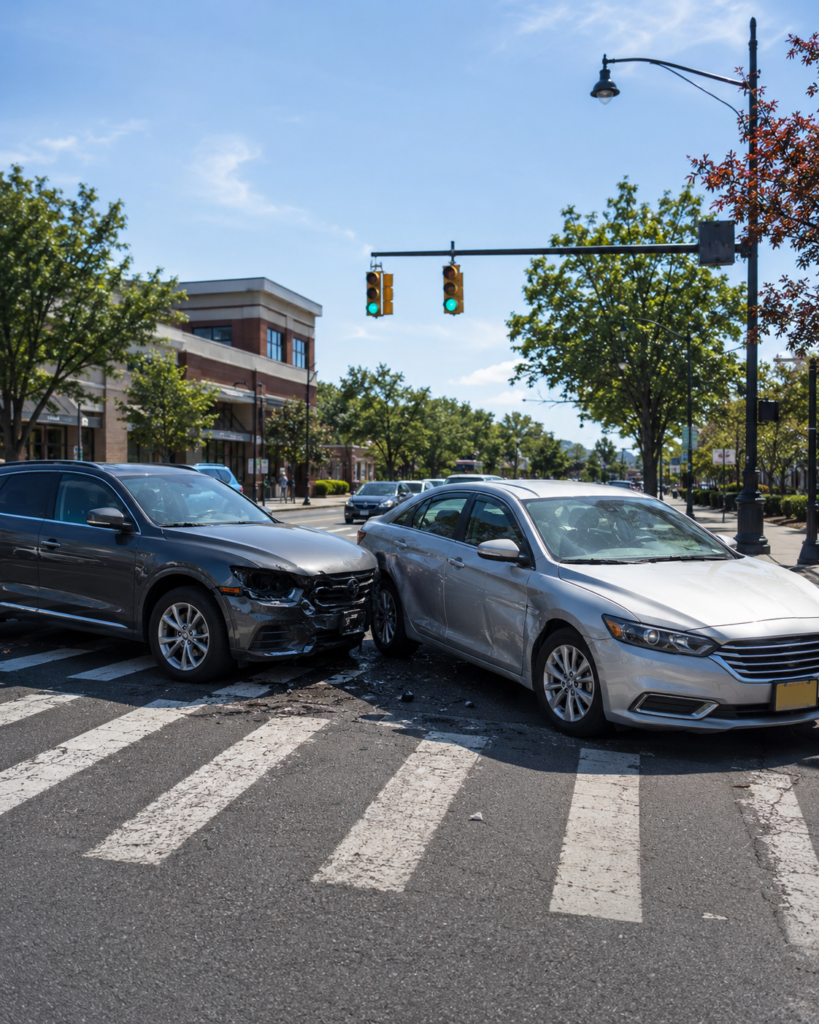
Hiring an attorney is often worth considering after a New York car accident when the injuries are significant, fault is disputed, future medical or wage losses may be substantial, several parties or policies are involved, or the insurance process is becoming adversarial. A minor property-damage collision with no meaningful injury may not require counsel. The right answer depends on what is actually at stake in the claim.
Key Takeaways
-
A lawyer is more likely to add meaningful value when the claim involves serious injuries, disputed liability, permanent limitations, large wage losses, commercial vehicles, multiple defendants, or unclear insurance coverage.
-
A minor collision with no meaningful injury and a straightforward property-damage claim may not require personal injury counsel.
-
New York no-fault insurance can pay certain economic losses regardless of fault, but it does not eliminate all liability claims or all disputes with insurers.
-
An attorney can investigate liability, preserve evidence, map insurance coverage, develop medical and economic damages, evaluate settlement proposals, and litigate if necessary.
-
The decision should be based on claim complexity and risk, not on a blanket rule that every crash requires a lawyer.
In This Guide
When You May Not Need a Car Accident Lawyer
It is reasonable to say that not every car accident requires legal representation. If there is no physical injury, the property damage is modest, fault is clear, and the insurer is handling the claim without a meaningful dispute, a personal injury lawyer may not be necessary.
The important distinction is between an inconvenience and a serious injury claim. Once the accident creates medical uncertainty, time away from work, permanent limitations, competing versions of fault, multiple insurance policies, or substantial financial exposure, the consequences of a mistake become larger.
Situations Where Hiring a Lawyer Is More Likely to Be Worthwhile
You should consider legal advice when the crash results in hospitalization, surgery, fractures, brain or spinal injury, significant orthopedic injury, long rehabilitation, permanent impairment, or substantial lost earnings. The same is true when fault is disputed, more than two vehicles are involved, a commercial vehicle or employer may be responsible, or the available insurance is unclear.
Another warning sign is an insurance process that is moving faster than the medical case. An early settlement proposal may arrive before the injured person knows whether additional treatment, surgery, future restrictions, or extended time out of work will be necessary.
If you want a detailed explanation of the work counsel can perform in those circumstances, see What Does a Car Accident Lawyer Do?.
Serious Injuries Require More Than Current Medical Bills
The financial effect of a serious collision can continue long after the first hospital or therapy bill. A fair analysis may need to consider future medical care, lost earning capacity, job restrictions, household assistance, permanent functional limitations, and legally recoverable non-economic harm.
Those issues are not always apparent in the first weeks after a crash. A lawyer can help organize medical and employment evidence, identify when expert analysis may be needed, and evaluate a settlement in light of both present and reasonably supportable future losses.
No responsible attorney can promise a particular result, and there is no legitimate one-size-fits-all settlement value. The role is to develop the evidence needed to evaluate the individual claim.
A public-project deadline may be measured in days, not years. Get the timeline reviewed now
Request a free review from Harris Marks. Get honest, case-specific answers.
Disputed Fault Can Make Representation More Important
An insurer may dispute the injured person’s version of the crash, argue that another driver caused the collision, or claim that the injured person bears part of the responsibility. Multi-vehicle crashes can make the allocation of fault even more complicated.
A lawyer can look beyond the initial report by obtaining photographs, video, witness statements, vehicle evidence, roadway information, and other proof. If litigation is filed, depositions, document discovery, experts, and subpoenas may become part of that investigation.
The earlier the investigation begins, the better the chance of preserving evidence that might otherwise disappear.
New York No-Fault Insurance Does Not Mean Fault Never Matters
New York is a no-fault state for certain first-party motor-vehicle benefits. The Department of Financial Services explains that basic no-fault coverage is intended to pay certain medical expenses, lost earnings, and other qualifying economic losses regardless of who caused the crash.
But no-fault does not pay for vehicle property damage, and it does not erase liability claims. A person seeking non-economic damages such as pain and suffering generally must satisfy New York’s statutory serious-injury requirement, while economic losses exceeding basic no-fault can raise separate liability issues.
Our guide Is New York a No-Fault State for Car Accidents? explains the distinction in detail.
What a Lawyer Can Do Before You Decide Whether to Settle
Before a serious injury claim is resolved, a lawyer can determine what evidence is still missing, whether the medical picture is sufficiently developed, whether all potential defendants have been identified, which insurance policies may apply, whether liens or reimbursement claims need to be addressed, and whether future losses have been documented.
The lawyer can also evaluate the language of a proposed release. A settlement typically ends the released claim. Once a valid release is executed and the matter is resolved, an injured person generally cannot simply reopen the case because later consequences turn out to be worse than expected.
That makes the decision to settle fundamentally different from negotiating a repair estimate.
What About the Cost of Hiring a Lawyer?
Marks Law Group states that its personal injury representation is generally handled on a contingency basis: there is no attorney fee unless compensation is recovered, while case-related expenses may apply depending on the fee agreement. The specific terms should always be reviewed in the written retainer agreement.
Cost is still only one part of the decision. The more important question is whether the claim is serious or complex enough that investigation, legal analysis, damages development, insurance work, and potential litigation are likely to matter.
If your question is broader than a car accident, see When Do You Need a Personal Injury Lawyer?.
Frequently Asked Questions
Quick answers to the questions families ask most.
Is it worth getting a lawyer for a minor car accident?
When should I contact a personal injury lawyer after an accident?
Should I hire a lawyer if the other driver admitted fault?
Should I hire a lawyer before giving an insurance statement?
Does New York no-fault insurance mean I do not need a lawyer?
Does hiring a lawyer mean I have to sue?
Not Sure Whether Your Injury Claim Needs a Lawyer?
Marks Law Group can review the accident, injuries, evidence, potential defendants, insurance coverage, and deadlines in a free consultation so you can make an informed decision about what to do next.