
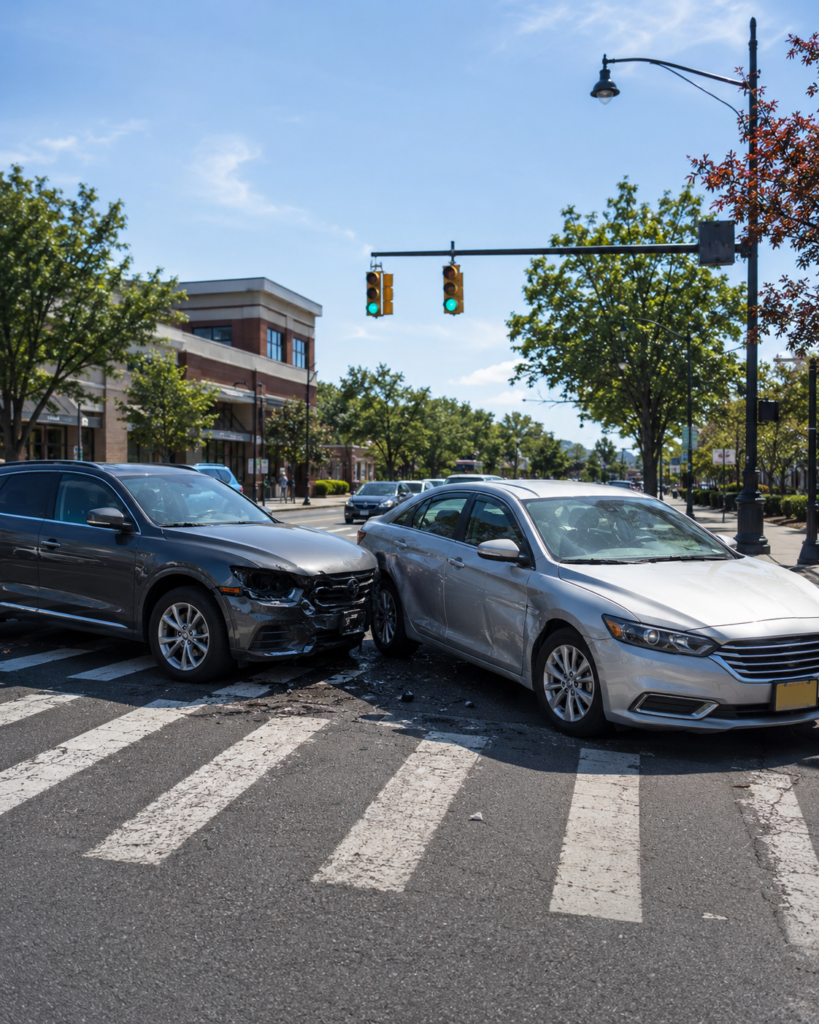
There is no fixed number of days or months for a New York car accident settlement. A straightforward claim can resolve earlier when fault, coverage, injuries, and damages are clear. A serious or disputed case can take substantially longer because medical treatment, expert analysis, insurance investigation, discovery, depositions, liens, and litigation may need to be completed before the claim can be valued responsibly.
Key Takeaways
- New York does not provide one standard settlement timeline for car accident injury claims.
- The case is usually difficult to value before the medical condition, treatment plan, and likely future effects are sufficiently understood.
- Disputed fault, multiple defendants, insurance coverage questions, and serious-injury issues can add substantial time.
- Filing a lawsuit adds formal litigation stages but may be necessary when evidence must be obtained or negotiations have stalled.
- Even after settlement is agreed, releases, liens, reimbursement issues, and payment processing can affect when the client receives net proceeds.
In This Guide
There Is No Standard New York Car Accident Settlement Timeline
A settlement is a negotiated resolution, not an automatic payment triggered by the accident. Before both sides can evaluate the case, they usually need enough information about liability, injuries, financial losses, insurance coverage, and legal defenses to make informed decisions.
That is why “average settlement time” numbers are often misleading. Two people injured in the same type of collision can have completely different timelines if one recovers quickly and the other needs surgery, future care, extensive wage-loss proof, or litigation over fault.
Medical Treatment Is Often the Biggest Timing Variable
Settling too early can create a serious problem: once a final release is signed, the claimant generally cannot reopen the bodily-injury claim simply because the condition later proves worse than expected. That makes it important to understand the diagnosis, treatment already completed, reasonable future care, permanency, and work restrictions before final valuation.
This does not mean every claimant must wait until all treatment ends. The practical question is whether the medical evidence is developed enough to evaluate the future as well as the past. In a significant injury case, specialist reports, imaging, operative records, rehabilitation records, and opinions about future limitations may be necessary.
Fault Disputes Can Delay Resolution
When drivers disagree about how the crash occurred, the claim may require photographs, surveillance, witness statements, vehicle data, deposition testimony, or accident-reconstruction work. The issue is especially important under the current CPLR § 1411(b) rule for covered motor-vehicle personal injury actions commenced on or after May 26, 2026.
An insurer that believes the injured person may bear substantial fault has a reason to investigate before making a meaningful offer. Early evidence preservation can therefore affect both the strength and speed of the claim.
Is Your Car Accident Settlement Taking Too Long?
A slow claim does not always mean something is wrong, but the reason for the delay should be identifiable. Marks Law Group can review whether the case is waiting on medical development, liability evidence, insurance coverage, serious-injury proof, litigation, or post-settlement issues—and whether a different step is appropriate.
Insurance Coverage Questions Can Slow a Claim
A serious collision may involve more than one policy: the driver’s liability coverage, the vehicle owner’s policy, an employer or commercial policy, umbrella or excess coverage, or uninsured/underinsured motorist coverage. Identifying every potentially applicable policy can take time, particularly when ownership, employment, or commercial relationships are disputed.
No-fault benefits are also separate from the third-party bodily-injury settlement. Delays in medical bills or no-fault paperwork do not necessarily mean the liability claim is being negotiated at the same pace.
The Serious-Injury Threshold Can Become a Major Issue
A covered claimant seeking non-economic damages must address New York’s serious-injury threshold. The current definition changed in 2026, including removal of the old 90/180-day category for actions commenced on or after May 26, 2026. See our serious-injury threshold guide for the current categories.
When the insurer contests whether the medical proof meets the threshold, the dispute may affect negotiation and sometimes require motion practice or trial-level fact finding.
Demand and Negotiation Begin When the Claim Is Ready to Be Presented
A settlement demand should tell a coherent story: how the crash happened, why the insured or other defendant is responsible, what injuries were caused, what treatment was required, how work and daily life were affected, what future losses can reasonably be supported, and what insurance coverage is available.
The work behind that presentation is part of what a car accident lawyer actually does. A demand sent before the evidence is ready may create speed, but not necessarily leverage.
Litigation Adds Steps—but It Can Also Move a Stalled Case Forward
When informal negotiation does not produce a reasonable resolution, filing suit begins formal litigation. The case may involve pleadings, written discovery, document production, depositions, medical examinations, experts, motions, conferences, mediation, and trial preparation.
Those stages can add time. But litigation also creates tools for obtaining evidence and deadlines that do not exist during informal claim handling. In some cases, settlement becomes more realistic only after key depositions or expert issues are developed.
Agreement Is Not Always the Same as Payment
After the parties agree on an amount, the settlement still has to be documented. Releases must be reviewed and signed. Liens and reimbursement issues may need to be resolved. The settlement check must be issued and cleared. Attorney fees and case expenses must be accounted for under the retainer agreement, and the client should receive a closing or settlement statement explaining the distribution.
How to Reduce Avoidable Delay Without Settling Too Early
Respond promptly to legitimate requests, keep medical and wage information organized, attend necessary appointments and litigation events, preserve insurer correspondence, and tell your lawyer about changes in treatment, employment, insurance, or contact information. Avoid creating preventable gaps in documentation.
At the same time, do not accept an early offer solely because the case feels slow. Our guide Is It Worth Hiring an Attorney After a Car Accident in New York? explains when professional help may be useful in a delayed or disputed claim.
Frequently Asked Questions
Quick answers to the questions families ask most.
How long does car accident settlement negotiation take in New York?
Does a serious injury make a car accident case take longer?
Does filing a lawsuit always make the case take longer?
Can liens or reimbursement claims delay settlement payment?
Should you accept an early settlement just to finish the case faster?
Is Your Car Accident Settlement Taking Too Long?
A slow claim does not always mean something is wrong, but the reason for the delay matters. Review the medical, liability, insurance, and litigation issues affecting the timeline.